Condo & Apartment Leak Detection in Atlantic City, NJ
Trace complex inter-floor moisture migration and multi-unit water leaks in high-rise condominium buildings and apartment complexes. Call our diagnostic team at (201) 510-1615 to isolate the exact source before opening drywall or escalating neighbor disputes.
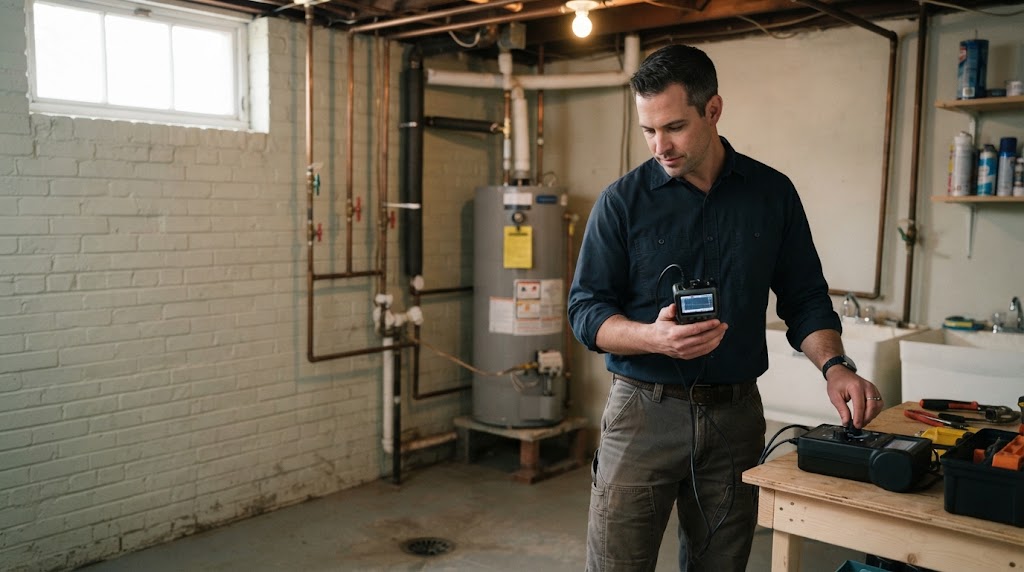
Specialized Inter-Floor Water Tracing in Multi-Story Buildings
Condo & Apartment Leak Detection in Atlantic City, NJ requires specialized engineering insight because water in multi-story structures rarely travels in a straight line. Gravity directs water downward, but concrete floor slabs, corrugated metal decking, horizontal firebreaks, and shared pipe chases often guide moisture dozens of feet horizontally before it finally breaks through a lower tenant’s ceiling.
When a resident reports water stains on an eighth-floor ceiling along the Boardwalk district, the root cause could be a failed shower pan directly above on the ninth floor, an interstitial pipe riser leak on the tenth floor, or common association drainage stack corrosion. Rather than demolishing multiple tenant bathrooms on speculation, our multi-tenant diagnostic protocols verify responsibility cleanly with calibrated non-destructive testing.
Common Multi-Unit Leak Indicators
Condo owners, tenants, and property managers should act promptly when observing these warning signs:
- Intermittent ceiling drips that correlate with upper-floor morning or evening bathroom use.
- Brown water staining expanding along shared party walls or adjacent to utility chases.
- Moisture stains around recessed light fixtures, ventilation fans, or sprinkler escutcheons.
- Persistent condensation or damp drywall in utility closets housing water heaters and HVAC fan coils.
- Musty odors migrating between adjacent apartments through shared wall cavities.
Local Coastal Factors in Atlantic City Condominiums
Along the Atlantic City oceanfront and throughout the Marina District, high-rise buildings face relentless coastal winds and moisture. Air intakes draw in damp marine salt air, accelerating external galvanic oxidation on metal pipe clamps, waste lines, and brass riser couplings. In older apartment complexes throughout Uptown and Chelsea, cast-iron drain stacks experience internal thinning, leading to hairline fissures that leak only during peak drainage volume.
Step-by-Step Multi-Unit Diagnostic Method
-
Multi-Unit Access & Visual Moisture Mapping
We examine the affected ceiling space in the lower unit alongside fixtures in surrounding upper apartments, tracking moisture boundaries with high-sensitivity infrared imaging.
-
Systematic Fixture Isolation Testing
Individual fixtures—including shower pans, tub overflows, toilet seals, and sink drains—are tested sequentially to isolate intermittent drainage leaks from continuous supply line pressure losses.
-
Acoustic Listening on Pressurized Risers
Electronic listening gear tests pressurized hot and cold risers within wall cavities to identify continuous hissing sounds characteristic of concealed pipe pinholes.
-
Vertical Chase & Stack Video Inspection
When common stacks are suspected, high-definition borescopes inspect vertical pipe chases through minimal access points to document stack joint failure.
What Happens Once Responsibility Is Documented
Once testing definitively identifies whether the leak originates from an individual owner’s appliance or a common condominium element, both property management and unit owners receive an objective factual assessment. This eliminates unnecessary tension between neighbors. In New Jersey, permanent plumbing repairs within multi-family and commercial residential properties must be executed by a NJ licensed master plumber.
Diagnostic Scope Considerations & Preventive Measures
Diagnostic scope is determined by the number of units requiring access, ceiling height, whether access through fire-rated chases is involved, and whether testing involves supply pressure lines or drainage systems. Condominium associations can prevent multi-floor water damage by establishing mandatory washing machine braided hose inspections, replacing aging water heater tanks before failure, and testing unit shut-off valves annually.
High-Rise & Multi-Unit Communities Served
We regularly handle condo and apartment leak investigations across the Boardwalk district oceanfront high-rises, multi-family conversions in Chelsea, residential towers in the Marina District, and apartment buildings throughout Uptown. Visit our comprehensive Service Areas page for full geographic information.
Frequently Asked Questions
How do you isolate which condo unit is responsible for ceiling water?
We perform systematic pressure drops, acoustic sensor testing on vertical risers, and localized dye/flood tests on upper-unit bathroom pans and waste stacks without tearing out finished tenant walls.
Does leak detection in condos require HOA or property management coordination?
Yes. Tracing inter-floor moisture typically involves accessing units above and below the visible dampness to confirm whether the issue stems from private fixtures or common association main stacks.
Why are vertical plumbing stack leaks common in Boardwalk condo towers?
Constant exposure to oceanic salt spray accelerates corrosion on cast-iron and copper stacks, while building sway and thermal expansion in coastal towers strain stack coupling seals.