Shower & Bathroom Leak Detection in Atlantic City, NJ
Isolate shower pan, mixing valve, supply line, and drain leaks without tearing down custom tilework. Talk with a local leak specialist at (201) 510-1615 to pinpoint bathroom moisture sources accurately.
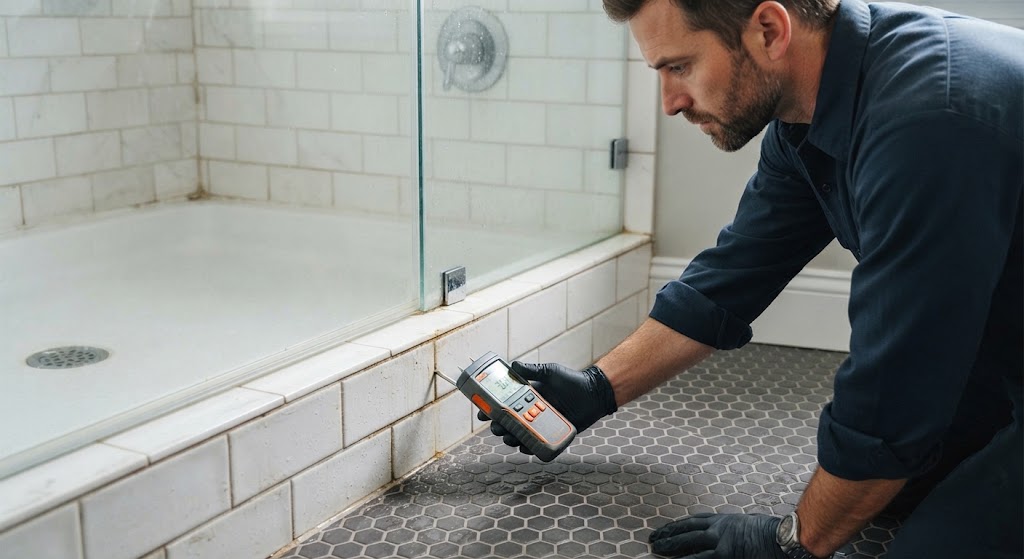
Pinpointing Bathroom Water Intrusions
Shower & Bathroom Leak Detection in Atlantic City, NJ addresses one of the most frustrating plumbing mysteries in coastal residences and multi-family buildings. When a downstairs ceiling shows moisture rings or bubbling paint directly below an upper bathroom, pinpointing the true cause requires structured scientific isolation rather than random guessing.
A bathroom incorporates four distinct plumbing mechanisms: pressurized hot and cold supply lines, concealed mixing valves behind the tile wall, waterproofing membranes and shower pan liners under the floor, and gravity drain waste lines. Because water can seep through any of these points and travel along floor joists before dripping, comprehensive diagnostic isolation identifies the exact component responsible before a single decorative tile is disturbed.
Warning Signs of a Bathroom Plumbing Leak
Watch for these telltale signs indicating an active leak in your shower or bathroom assembly:
- Water rings or sagging sheetrock on the ceiling or crown molding directly beneath an upstairs bathroom.
- Spongy, lifting, or discolored tile and vinyl flooring surrounding the base of the toilet, tub, or shower stall.
- Loose, crumbling, or perpetually damp grout lines along the lower tile perimeter of the shower enclosure.
- Peeling paint or blistered drywall on wall surfaces immediately backing the shower valve controls.
- Persistent mildew or musty odors in bathroom closets that resist ventilation and surface cleaning.
Coastal Atlantic City Environmental Factors
Atlantic City properties experience dramatic seasonal shifts in coastal air moisture and temperature. In historic homes in Chelsea and Ducktown, wooden framing expands during humid summer months and contracts during winter heating seasons. This cyclical movement causes micro-cracking in rigid tile mortar beds and stresses soldered shower diverter connections. Additionally, salt air causes accelerated oxidation on concealed brass valve assemblies and drain flanges.
Step-by-Step Bathroom Diagnostic Protocol
-
Supply Line Pressure Testing
We test hot and cold water supply risers feeding the vanity, shower, and toilet to verify whether continuous pressure loss exists inside the wall.
-
Controlled Shower Pan Flood Testing
Inserting a mechanical isolation plug into the shower drain, we fill the basin with standing water for a measured duration. If moisture appears below while the drain is blocked, the shower pan liner is confirmed compromised.
-
Independent Waste & Trap Drainage Testing
Releasing the plug allows water through the drain and P-trap assembly under observation, isolating whether the waste pipe connection or coupling has failed.
-
Thermal Infrared Moisture Verification
Thermal infrared imaging scans surrounding walls and ceilings to map the full perimeter of water migration and moisture saturation.
What Happens After the Source Is Confirmed
Following diagnostic testing, you receive precise documentation detailing whether your issue is a valve cartridge seal failure, a broken drain gasket, or a compromised shower waterproofing membrane. This enables targeted repairs without tearing out unaffected finishes. In New Jersey, all permanent plumbing repairs and drain replacements require a NJ licensed master plumber.
Diagnostic Scope Factors & Prevention Advice
Diagnostic scope depends on bathroom accessibility, whether custom multi-head body sprays are installed, and whether access to the ceiling below is unobstructed. To protect your bathroom, re-seal tile grout perimeters annually, check toilet tank bolts for slow drips, and never ignore slight softness in surrounding floor tiles.
Serving Homes & Condominiums Throughout Atlantic City
Bathroom leak diagnostics are frequently requested across historic two-story residences in Chelsea, seaside cottages in Venice Park, multi-family homes in Ducktown, and high-rise condominiums along the Boardwalk district. Review our comprehensive geographic scope on our Service Areas overview.
Frequently Asked Questions
How do you distinguish between a shower pan leak and a drain pipe leak?
We install a mechanical test plug directly into the shower drain opening and flood the pan basin with standing water. If water escapes into the ceiling below while the drain is plugged, the waterproofing pan or liner has failed. If it only leaks when the plug is pulled, the drain pipe is responsible.
Can bathroom tile grout cracks cause ceiling water damage below?
Yes. While tile and grout are water-resistant, they are not completely waterproof. If the underlying moisture membrane or pan liner has degraded, everyday shower spray will seep through cracked grout into subflooring.
Why are bathroom leaks frequent in older Atlantic City seaside homes?
Older homes in neighborhoods like Ducktown and Chelsea experience seasonal humidity shifts that cause subtle framing movement, cracking grout lines and stressing soldered tub/shower diverter valve connections.